Open Today Sales: 9 AM-7 PMOpen Today Service: 7 AM-6 PM
Tire maintenance is a crucial aspect of ensuring a smooth and safe driving experience no matter where the roads near Eastham, Harwich, and Orleans, Massachusetts take you. One common issue that vehicle owners may encounter is tire dry rot. This silent but potentially hazardous problem can compromise the integrity of your tires, leading to safety concerns and reduced performance.
Our Ira Toyota of Orleans team has put together the following information to provide you with a clear understanding of what tire dry rot is, how to identify it, ways to prevent it, and the potential consequences of neglecting this issue. Let’s get started.
Tire dry rot, also known as sidewall cracking, is a condition where tires develop visible cracks on their sidewalls or tread. These cracks are usually caused by prolonged exposure to sunlight, heat, and environmental elements, leading to the deterioration of the tire's rubber compounds. As a result, the tire loses its flexibility and strength, making it more susceptible to failure.
To dive deeper into the specifics, tire dry rot is often accelerated by factors such as prolonged parking, infrequent use, and low tire pressure. Additionally, using tires that are beyond their recommended service life or storing them improperly can contribute to the development of dry rot.
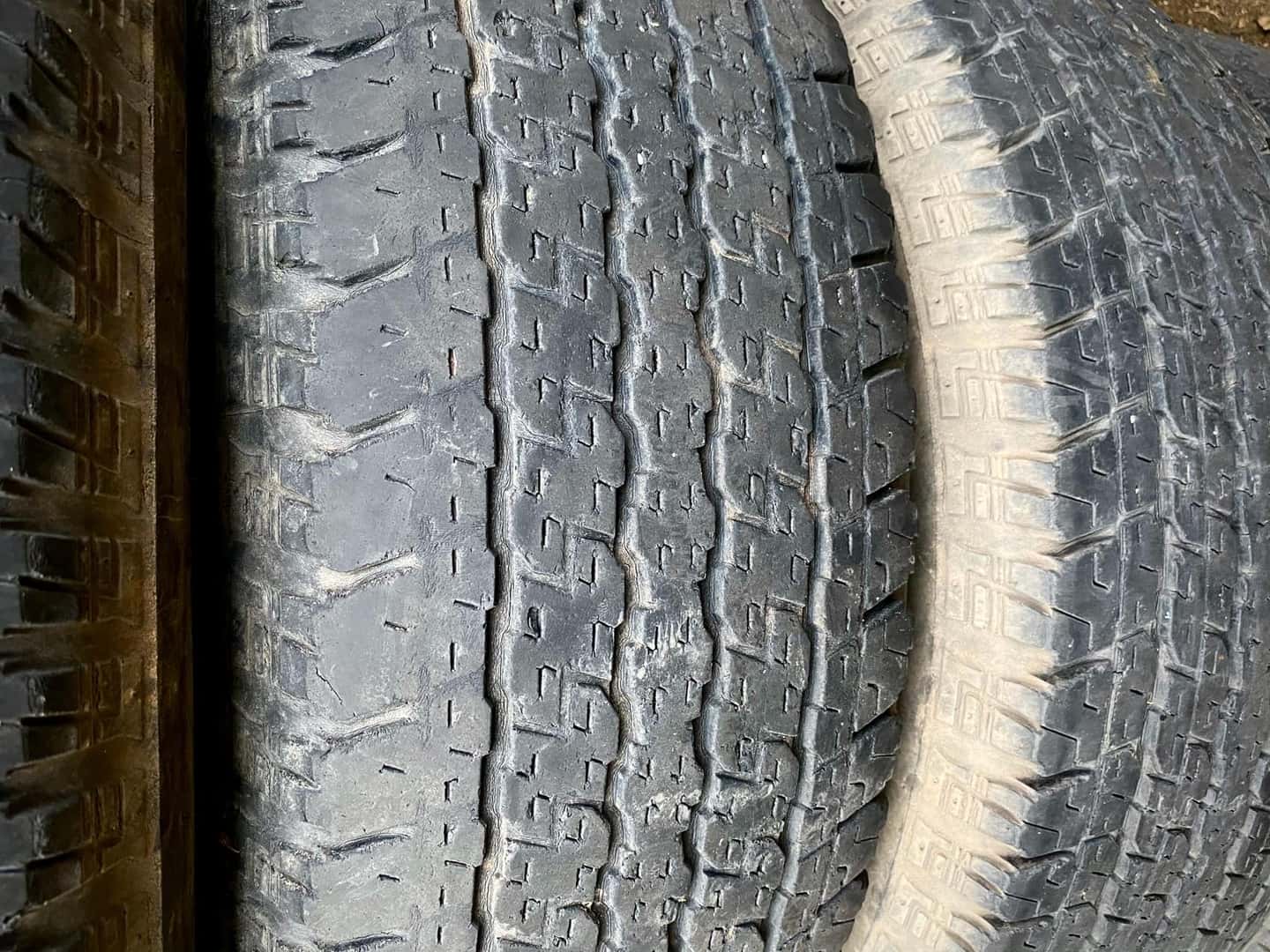
Identifying tire dry rot in its early stages is crucial for preventing further damage and ensuring road safety. Regular visual inspections of your tires can help catch dry rot before it becomes a significant issue. Look for cracks, splits, or bulges on the sidewalls and tread of the tires. If you notice any abnormalities, it's essential to address them promptly.
Tire experts recommend checking your tires at least once a month, paying attention to signs of aging or damage. If you observe any cracks that extend deep into the sidewall or if the tire exhibits a rough texture, these are clear indications of dry rot.
Prevention is key when it comes to tire dry rot, and there are some practical steps you can take to avoid this issue. Proper storage is one of these steps. Be sure to store spare tires in a cool, dark place away from direct sunlight and harsh weather conditions. Regular use is also vital. Drive your vehicle consistently to prevent prolonged periods of inactivity and have the tires rotated regularly.
Remember to also maintain the recommended tire pressure to ensure optimal performance and minimize the risk of dry rot. Try to park your vehicle in shaded areas whenever possible to reduce exposure to UV rays.
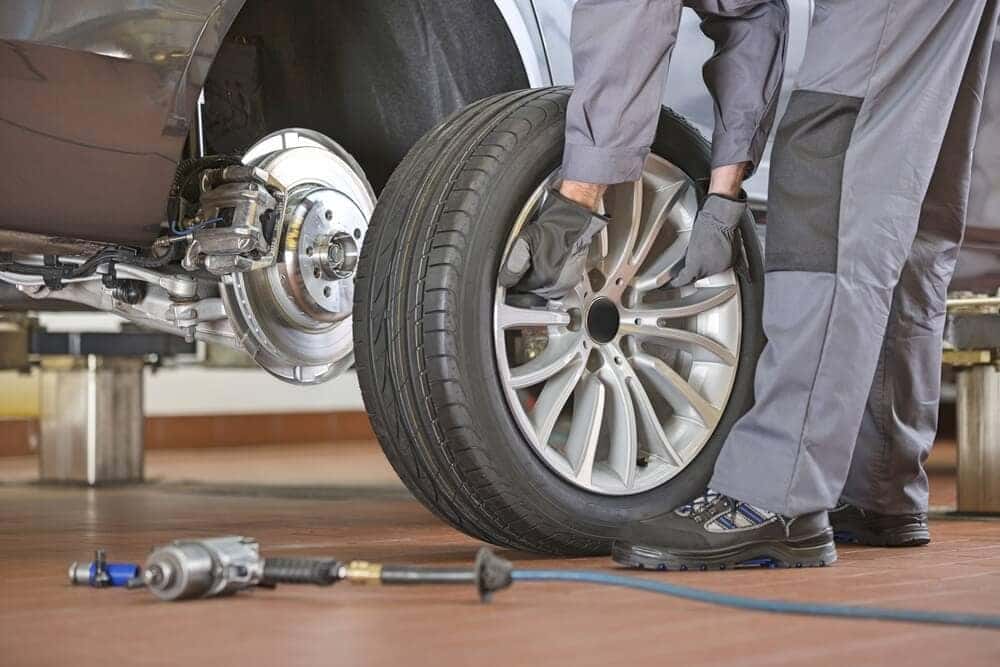
Neglecting tire dry rot can lead to severe consequences including compromised safety, reduced traction, and an increased risk of a blowout. As the cracks deepen and multiply, the tire's structural integrity weakens, making it more prone to failure, especially under stress conditions. This can result in accidents, breakdowns, and costly repairs.
Do any of the above symptoms of tire dry rot sound familiar? If so, we can help! We have a certified team of service center technicians who can handle all of your vehicle’s tire maintenance needs. If you’re near Eastham, Harwich, or Orleans, MA, schedule an appointment with Ira Toyota of Orleans today.