

Toyota Camry Hybrid vs Honda Accord Hybrid

Saving on gas eases your weekly commute. Fewer stops to refuel provides the opportunity to enjoy more quality time near Orleans, Eastham, or Harwich, Massachusetts. A hybrid vehicle offers an efficient vehicle for every trip.
Our Toyota Camry Hybrid vs. Honda Accord Hybrid puts two fuel-efficient vehicles in the spotlight. The team at Ira Toyota of Orleans can help you learn which one is right for your lifestyle.
Toyota Camry Hybrid vs Honda Accord Hybrid
|
2023 Toyota Camry Hybrid |
Features |
2022 Honda Accord Hybrid |
|
51 city/53 highway MPG* |
EPA-estimated MPG |
48 city/47 highway MPG |
|
176 HP |
Horsepower |
143 HP |
|
9 |
Available Premium Audio Speakers |
8 |
|
9 inches |
Available Touchscreen Display |
8 inches |
Camry vs Accord: Which Hybrid Is More Efficient?
Fuel economy is at the core of every hybrid’s design. Drivers looking for the chance to save on gas will find a traveling companion in the Toyota Camry Hybrid.
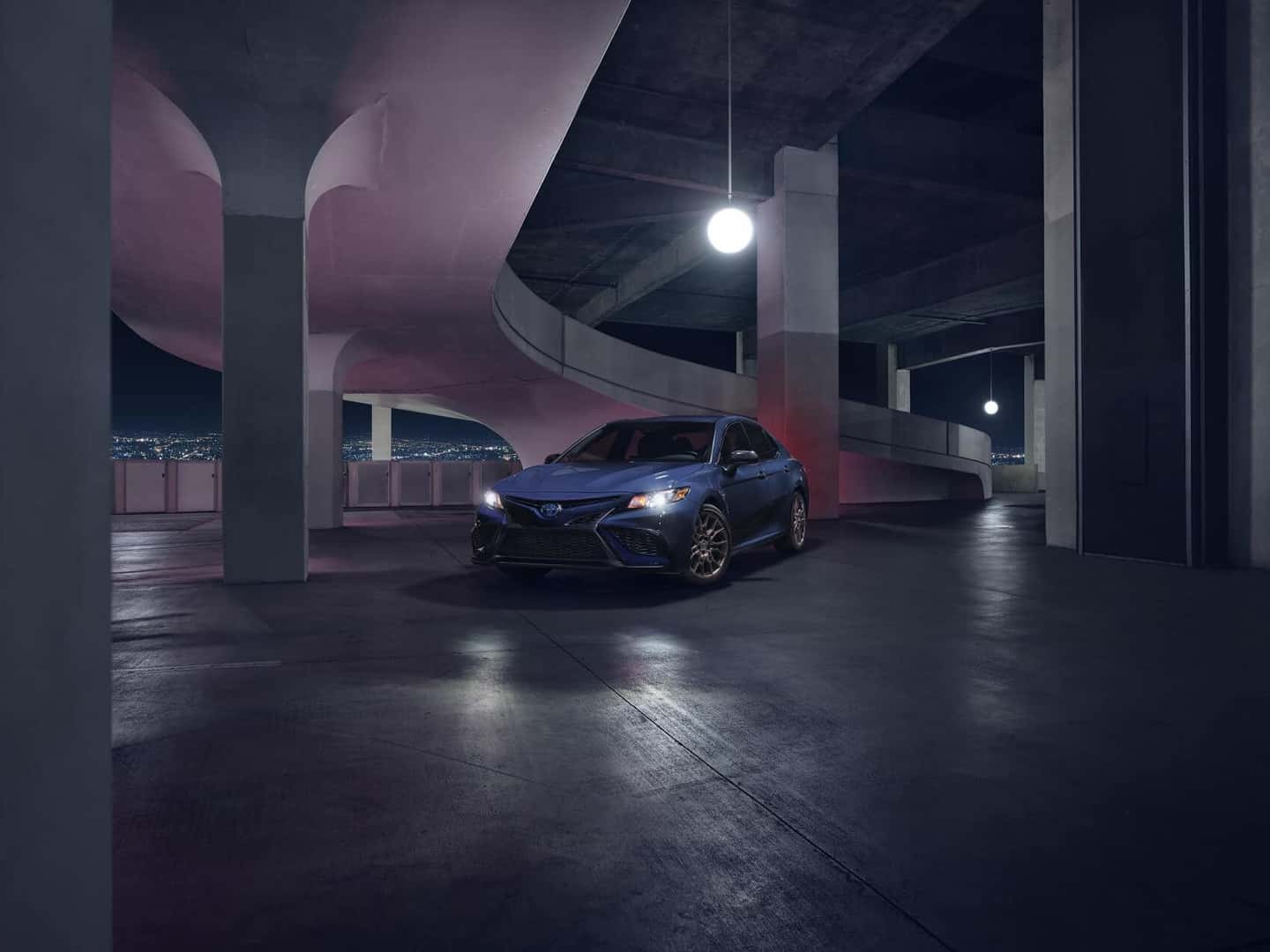 Camry Hybrid models are more efficient than the Accord Hybrid. The Toyota Camry LE Hybrid has a 2.5L 4-cylinder hybrid engine. It generates an EPA-estimated fuel economy of 51 city/53 highway MPG.* The Camry also has efficiency-minded drive modes that optimize your ability to travel on the road ahead:
- Eco
- Normal
- Sport
- EV
That performance is more road trip-friendly than the Honda Accord Hybrid. The most efficient model of the Accord nets a fuel economy of 48 city/47 highway MPG. That means you’ll engage in a more efficient drive on your commutes or summer trips when you grip the wheel of a Camry.
Camry Hybrid vs Accord Hybrid: Which Has More Power?
You can benefit from the fuel economy of a hybrid while still tapping into the same power you’ve always known. Which sedan unleashes more power?
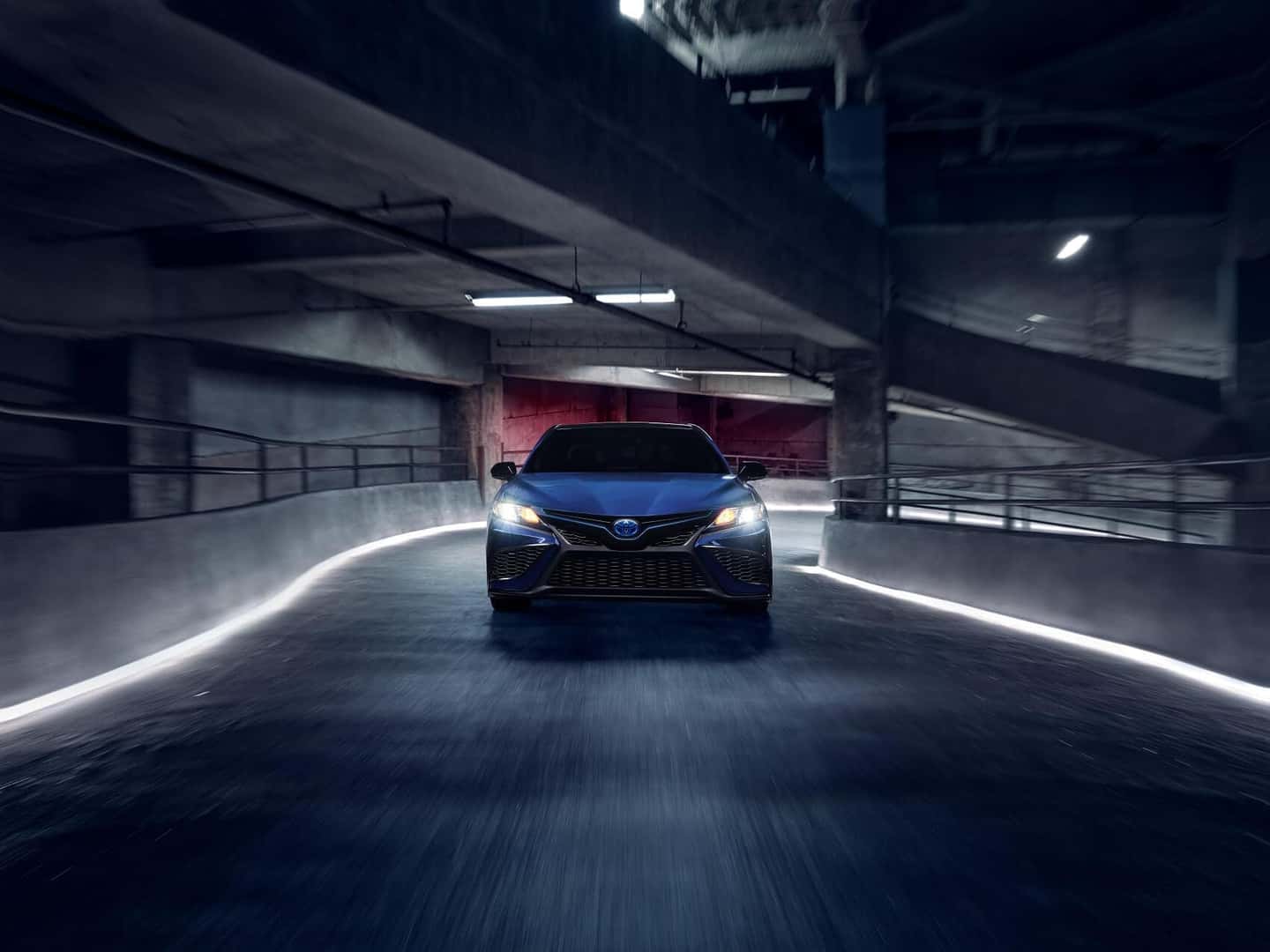 The Camry Hybrid has more power than the Accord Hybrid. Its 2.5L 4-cylinder engine reaches up to:
- 176 horsepower
- 163 lb-ft of torque
The Camry Hybrid partners this power with a smooth ride. A sport-turned suspension is also available to inject athleticism into your experience.
If you’re revving the Accord Hybrid, you’ll only be able to reach 143 horsepower and 129 lb-ft of torque. What does this mean for you? Drivers experience more power and efficiency when they drive a Camry Hybrid.
Which Hybrid Sedan Has More Technology?
Toyota’s hybrid sedan also leaves a finishing touch. The Camry Hybrid provides an enjoyable riding experience for drivers who emphasize technology:
- Android Auto™
- Apple CarPlay®
- JBL® speaker system
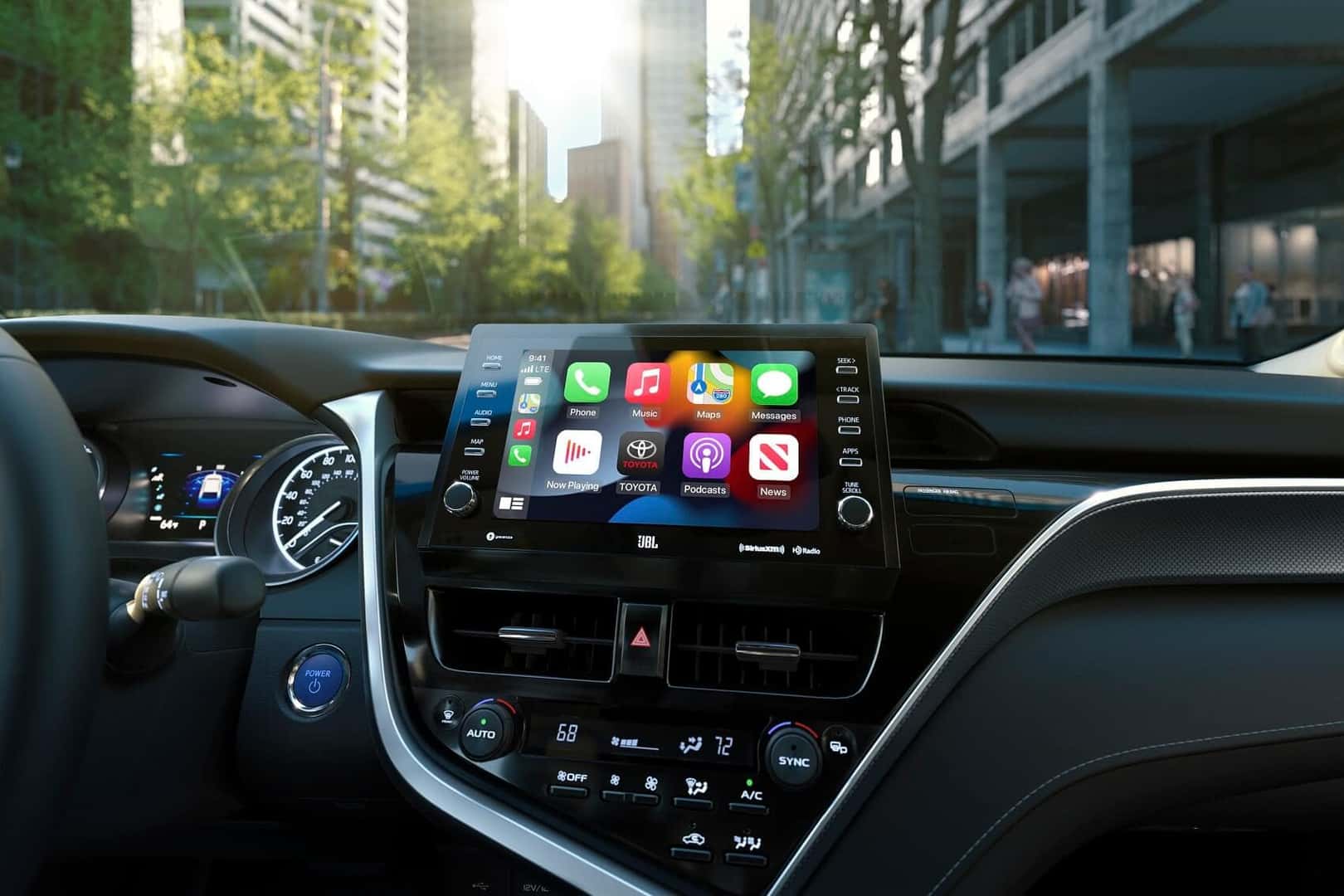 The sedan connects to Android Auto™ and Apple CarPlay®, helping you access a playlist that sets the tone for a road trip. You’ll be able to crank the volume of an available 9-speaker JBL® premium audio system.
Drivers of the Honda Accord Hybrid do have access to both Android Auto™ and Apple CarPlay®. The available 8-speaker audio system generates a less immersive listening experience.
You’ll also have more convenient access to infotainment while you drive. The Camry Hybrid has a 9-inch touchscreen, a wider edition than the 8-inch screen inside the Honda Accord Hybrid.
Final Ruling: The Camry Hybrid Offers More Than the Accord Hybrid
Our Toyota Camry Hybrid vs. Honda Accord Hybrid comparison showcases the advantages of the Camry Hybrid. It can connect you to more efficiency, power, and a comfortable blend of technology for trips through Orleans, Eastham, or Harwich, MA.
Test drive a Camry Hybrid at Ira Toyota of Orleans to get a better feel for this fuel-friendly sedan.
* EPA-estimated 28 city/39 hwy/32 combined mpg rating for 2023 Camry LE, SE and SE Nightshade Edition; 27 city/38 hwy/31 combined mpg rating for 2023 Camry XLE 4-Cylinder and XSE 4-Cylinder; 22 city/33 hwy/26 combined mpg rating for 2023 Camry XLE V6; 22 city/32 hwy/26 combined mpg rating for 2023 Camry XSE V6; 21 city/31 hwy/25 combined mpg rating for 2023 Camry TRD; 51 city/53 hwy/52 combined mpg rating for 2023 Camry LE Hybrid; and 44 city/47 hwy/46 combined mpg rating for 2023 Camry SE Hybrid, XLE Hybrid and XSE Hybrid. Use for comparison purposes only. Your mileage will vary for many reasons, including your vehicle’s condition and how/where you drive. See www.fueleconomy.gov.
